Recipe of Ultimate A Nagoya Speciality Misen-Style Taiwanese Ramen
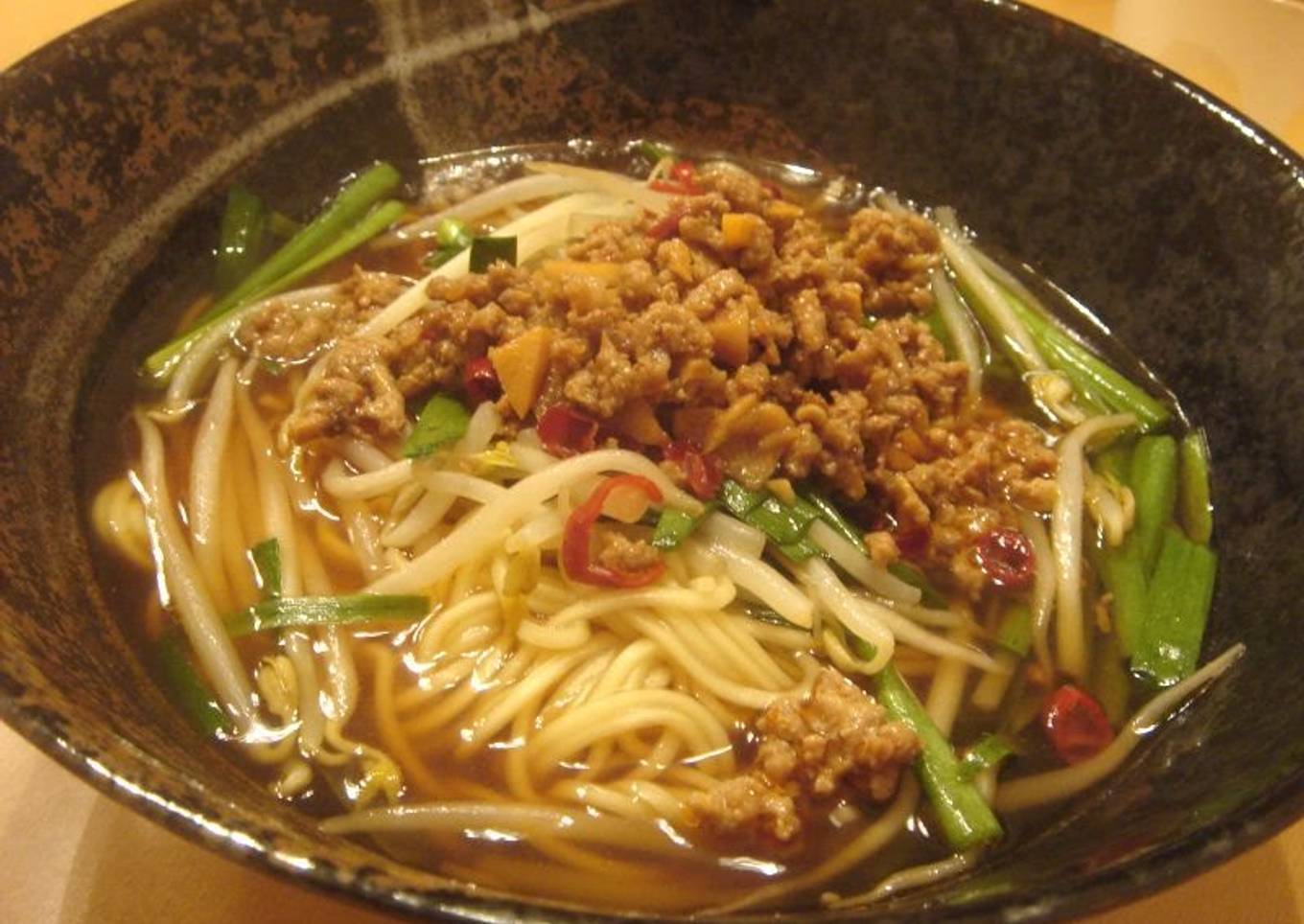
Hello everybody, it's Jim, welcome to my recipe page. Today, we're going to make a special dish, Easiest Way to Make Quick A Nagoya Speciality Misen-Style Taiwanese Ramen. One of my favorites food recipes. This time, I'm gonna make it a little bit unique. This is gonna smell and look delicious.
When it comes to cooking, it's important to keep in mind that everybody started somewhere. I do not know of a single person who was born with a wooden cooking spoon and all set. There is a lot of learning that needs to be completed as a way to develop into a prolific cook and then there is always room for advancement. Not only do you need to begin with the basics when it comes to cooking however, you nearly should start if learning to cook a new cuisine such as Chinese, Chinese, Thai, or Indian food.
Which usually means at any given time on your cooking learning cycles there is quite probably someone somewhere that's worse or better at cooking than you. Take advantage of this because even the best have bad days in terms of cooking. There are lots of men and women who cook for several reasons. Some cook as a way to eat and live while others cook because they actually like the process of cooking. Some cook during times of emotional upheaval and others cookout of absolute boredom. Whatever your reason for cooking or understanding how to cook you should always begin with the basics.
The first thing you have to learn is what the different terminology you will find in recipes actually means. There are many brand new and sometimes foreign sounding terms you may find in recipes that are common. These terms may mean that the difference in recipe success or failure. You should find a way to find a good section in virtually any inclusive cookbook which explains different definitions for unfamiliar terminology. If you aren't entirely certain what is meant with"folding in the eggs" it really is in your best interests to check it up.
Many things affect the quality of taste from A Nagoya Speciality Misen-Style Taiwanese Ramen, starting from the type of ingredients, then the selection of fresh ingredients, the ability to cut dishes to how to make and serve them. Don't worry if you want to prepare A Nagoya Speciality Misen-Style Taiwanese Ramen delicious at home, because if you already know the trick then this dish can be used as an extraordinary special treat.
As for the number of servings that can be served to make A Nagoya Speciality Misen-Style Taiwanese Ramen is 2 servings. So make sure this portion is enough to serve for yourself and your beloved family.
To get started with this recipe, we have to first prepare a few components. You can cook A Nagoya Speciality Misen-Style Taiwanese Ramen using 7 ingredients and 7 steps. Here is how you cook it.
I love Taiwanese ramen noodles. My husband and I used to go to Taiwanese ramen restaurants before our son was born, but it's hard to take our baby out to restaurants. Finally I tried to make my own. I've almost achieved the taste I was looking for after the second try. I can live without going to restaurants if I can eat this dish at home. The key is keeping the crispiness of the Chinese chives. They were almost raw at a restaurant. Recipe by Tomomidon
Ingredients and spices that need to be Make ready to make A Nagoya Speciality Misen-Style Taiwanese Ramen:
- 100 grams Ground pork
- 2 clove Garlice (homemade pickled garlic with soy sauce)
- 5 Red chili peppers
- 2 tsp Doubanjiang
- 1/2 bag Bean sprouts
- 1/2 bag Chinese chives
- 2 portions Store-bought soy sauce flavoured ramen noodles
Steps to make to make A Nagoya Speciality Misen-Style Taiwanese Ramen
- Roughly mince the garlic. Remove seeds from the red hot peppers. (You don't have to remove them completely.) Chop them into small rounds. Wash the bean sprouts. Wash the Chinese chives, and chop into 5 cm lengths.
- Pour a little bit of vegetable oil in a wok, and stir-fry the garlic, half of red chili peppers, and Doubanjiang.
- When fragrant, add the ground meat. When the colour of the meat changes, add the 1 tablespoon of soy sauce from the pickled garlic. Turn off the heat, and transfer to a plate.
- Please don't wash the wok from Step 2. Add the instructed amount of water on the package. I used 500 ml of water for 2 servings this time, and remaining red hot peppers, then turn on the heat.
- When the water from Step 4 starts to boil, add the sauce for the soup, and bring to a boil again, then turn off the heat. (Usually you have to turn off the heat before adding the sauce.)
- Boil water in a separate pot for cooking the noodles. When you add the noodles in boiling water, simultaneously add the bean sprouts to the Step 5 pot, and turn on the heat. Add the Chinese chives to the soup 30 seconds before the noodles are ready.
- Drain the noodles, pour the Step 6 soup over, and add the Step 3 meat on top, then done.
It's those tiny measures that you take towards your goal of cooking well balanced meals for your family which may matter far more than any creature leap. Before you realize it you may realize that you have greater energy and a much better sense of general wellbeing than you would have imagined before changing your eating customs. If this isn't enough to encourage you however, you may check out the excuse to go shopping for new clothes after you lose a size or 2.
So that is going to wrap this up with this special food Recipe of Award-winning A Nagoya Speciality Misen-Style Taiwanese Ramen. Thanks so much for reading. I'm confident that you can make this at home. There's gonna be more interesting food in home recipes coming up. Remember to save this page in your browser, and share it to your loved ones, friends and colleague. Thanks again for reading. Go on get cooking!

Post a Comment for "Recipe of Ultimate A Nagoya Speciality Misen-Style Taiwanese Ramen"